
Meta description: Learn how trash can cleaning wastewater compares with RV, car wash, truck stop, septic, and other waste streams: and how to create a practical bin cleaning wastewater disposal plan.
If you’re researching how to start a trash can cleaning business, wastewater may be one of the first questions that makes you pause.
Where does the dirty water go? Is it hazardous? Do you need a complicated treatment plant? Can you dump it at an RV station, car wash, or truck stop?
Those are smart questions: but wastewater is not a reason to avoid the bin cleaning business!
The reality is that wastewater is a normal, manageable part of operating many service businesses. Car washes, septic companies, restaurants, truck stops, RV parks, laundries, pressure-washing companies, and industrial maintenance contractors all deal with wastewater every day.
Your job is not to panic or invent an overly complicated process. Your job is to understand your waste stream, capture it properly, confirm the authorized disposal pathway in your area, and follow your written plan.
In many typical residential routes, trash can cleaning wastewater is a lower-grade washwater stream compared with RV black-tank sewage or the oil-, grease-, metal-, and chemical-laden runoff associated with some car washes and industrial sites. That does not mean it is harmless or automatically approved for discharge. It means it is generally a practical waste stream that can be managed with the right equipment and procedures!
Why bin cleaning wastewater sounds intimidating
The word “wastewater” can make a new entrepreneur imagine hazardous-materials trucks, expensive treatment facilities, and mountains of paperwork.
Have you ever washed a dirty trash can with a garden hose? The water looks unpleasant, but the basic concept is familiar. A professional bin cleaning system simply improves the process by using controlled pressure, hot water when appropriate, wastewater recovery, solid separation, and onboard containment.
The most important difference is this: professional operators capture the water instead of allowing it to run into the street or storm drain.
That is a business system: not a mystery.
Wastewater planning belongs on the same startup checklist as:
- Business registration and an EIN
- Insurance
- Vehicle and trailer requirements
- Water sourcing
- Equipment maintenance
- Payment processing
- Route management
- Customer scheduling
- Local disposal requirements
It’s essential, but it is absolutely solvable.
What does residential bin-cleaning wastewater contain?
The contents depend on what was inside the container. Typical residential bin-cleaning wastewater may include:
- Water and dirt
- Diluted food residue
- Decomposed organic material
- Bacteria
- Grease or liquid residue
- Suspended solids
- Detergent or cleaning solution
That is why we describe it carefully as lower-grade washwater or low-grade wastewater in many typical residential applications. It generally does not resemble raw sewage from a toilet or the full range of contaminants found in a vehicle maintenance facility.
Still, “lower-grade” does not mean “harmless.” It does not mean you can discharge it wherever you want. It does not mean every facility is authorized to accept it.
Your equipment should capture the wastewater, separate larger debris, and hold the remaining water securely until it reaches an authorized disposal point.
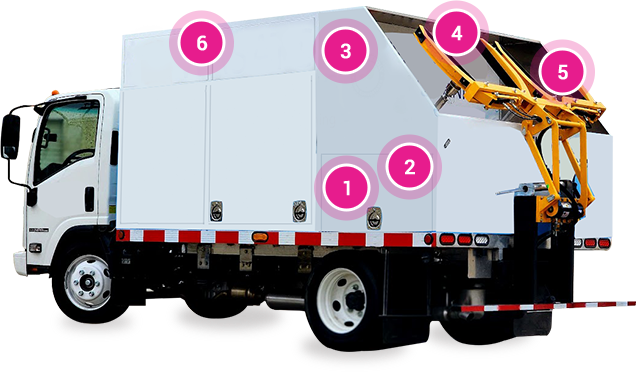
Bin cleaning wastewater vs. RV black-tank sewage
RV dump stations and wastewater facilities routinely manage black-tank wastewater, which can contain:
- Human sewage
- Fecal matter
- Urine
- Toilet paper
- High biological contamination
- Strong odors
- Treatment chemicals
That is a much different waste stream from the washwater produced by a typical residential bin cleaning route.
RV dump stations exist to receive certain types of RV wastewater under their operating rules.
The lesson is encouraging: if facilities can safely manage sewage, businesses can manage lower-grade washwater, too. You simply need to use the correct pathway.
Bin cleaning wastewater vs. car wash wastewater
Car washes commonly deal with water containing:
- Road grime
- Oil and grease
- Petroleum residue
- Brake dust
- Tire-wear particles
- Metals
- Road salt
- Detergents
- Waxes and sealants
- Suspended solids
Because of those contaminants, many car washes use collection systems, oil/grit separators, pretreatment, sanitary-sewer connections, recycling systems, or specific discharge requirements.
Compared with those streams, typical residential bin cleaning wastewater is often a more manageable washwater stream.
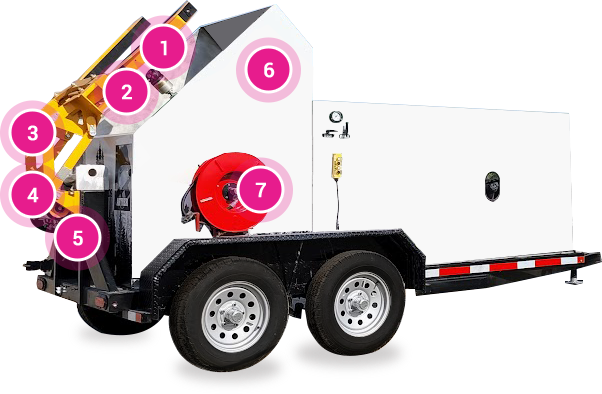
What do truck stops, septic companies, and other businesses manage?
A truck stop may have several separate waste streams operating under different rules:
- Restroom sewage
- Showers and laundry
- Restaurant and kitchen wastewater
- Truck-wash water
- Maintenance-area runoff
- Oil and grease
- Fuel spills
- Coolants
- Solvents
- Shop materials
A septic pumping company may handle concentrated sewage and sludge. A restaurant may manage grease-trap waste and high-strength kitchen wastewater. An auto repair shop may deal with oils, fuels, coolants, and solvents.
Other businesses that routinely manage wastewater or harsher waste streams include:
- RV parks and campgrounds
- Truck washes and fleet-washing companies
- Pressure-washing contractors
- Concrete and construction cleanup companies
- Commercial kitchens
- Grease-trap service providers
- Commercial laundries
- Carpet and upholstery cleaners
- Pool maintenance companies
- Veterinary and animal-care facilities
- Agricultural operations
- Plumbing contractors
- Municipal fleets
- Industrial maintenance providers
These businesses do not avoid operating because waste exists. They identify what they produce, learn the rules, choose the correct equipment, and follow the approved process.
Your bin cleaning business can do the same thing!
A simple workflow for bin cleaning wastewater disposal
A practical operating process looks like this:
1. Screen inappropriate containers
Do not clean containers that contain materials outside your training, insurance, equipment, or authorization. That may include:
- Chemicals
- Oils and solvents
- Paint
- Pesticides
- Batteries
- Medical waste
- Sharps
- Sewage
- Unknown hazardous contents
- Industrial materials
Create a simple refusal policy and explain it to customers before service.
2. Clean using fresh water
Viking Upfit generally recommends using fresh water for each cleaning and recovering the dirty water separately. Fresh-water cleaning helps support sanitation, odor control, consistent results, and reduced cross-contamination between containers.
Some systems recycle or treat water for reuse, and recycling can be appropriate in certain operations. It is not automatically wrong. However, repeatedly sending dirty washwater back through the cleaning system adds filtration, maintenance, odor, and sanitation considerations.
3. Capture and recover the wastewater
A properly designed wastewater recovery system keeps washwater onboard instead of allowing it to flow across driveways, streets, gutters, or storm drains.
Recovery is the key operational step. It turns an uncontrolled runoff problem into a contained business process.
4. Separate larger solids
Use the recovery hopper, screen, or other installed separation equipment to remove larger pieces of trash and debris. This helps protect pumps, plumbing, tanks, and disposal equipment.
Filtration and recovery make the wastewater more manageable: but they do not eliminate the need for lawful disposal.
5. Secure and transport it
Keep recovered water contained during transport. Make sure tanks, caps, hoses, valves, and fittings are maintained so you don’t create a leak or spill problem on the way to the receiving location.
6. Use the authorized receiving location
Dispose of the water only through a pathway approved for your waste stream. Keep receipts, manifests, or disposal records when appropriate.
That’s the system. Screen, clean, recover, separate, secure, and dispose properly. No need to shake a stick at it!
Common Wastewater Disposal Locations Operators Use Nationwide
Below are some of the most common pathways operators may investigate nationwide:
- Car washes: Some car washes have approved washwater collection systems and sanitary-sewer connections that may make them worth asking about. That said, many will not accept outside wastewater at all. Always call the owner or manager first and follow the facility’s policy.
- RV dump stations: These locations are built for RV blackwater and graywater, so they already deal with wastewater infrastructure. However, acceptance of commercial bin-cleaning wastewater varies widely. Get permission before using one.
- Major truck stops and travel centers: Some have dump infrastructure or wastewater arrangements, but acceptance, volume limits, fees, and rules can vary from one location to the next. Ask management first.
- Wastewater treatment facilities: Municipal or private wastewater-treatment facilities may accept hauled or commercial wastewater through an approved receiving program. In some markets, this is one of the clearest pathways to investigate.
- Authorized septic-system or septage receiving facilities: This does not mean dumping into a private septic tank or drain field. It means only an approved commercial septic or receiving arrangement or facility, with the owner’s authorization and any required local approval.
- Sewer-system hookups: In some markets, an approved sanitary-sewer connection, cleanout, or commercial discharge point may be available. However, sewer authority permission, pretreatment, pH or TSS limits, grease limits, discharge-rate controls, backflow protection, or other requirements may apply.
There are also additional pathways worth investigating, depending on your area:
- Permitted wastewater haulers or vacuum-truck companies
- Municipal wastewater receiving stations
- Approved industrial or commercial wastewater disposal facilities
- Your own permitted wash bay or facility connection
- Commercial properties that expressly authorize discharge to a suitable sanitary-sewer connection
Again, these are possibilities to research: not blanket approvals. Availability differs by market, by volume, by waste type, and sometimes by who owns or manages the facility.
Best practice: build a primary and backup option
We strongly recommend identifying:
- One primary receiving location
- One backup receiving location
Then confirm the practical details up front:
- Operating hours
- Disposal fees
- Accepted waste type
- Maximum volume per visit or per day
- Required hoses, fittings, pumps, or other equipment
- Whether prior authorization or an account is required
- Whether receipts, manifests, or disposal records are provided
Whenever appropriate, keep written authorization and disposal records in your truck, office, or route files. That simple step can save you headaches later and helps show that you are operating like a professional.
What not to do with bin cleaning wastewater
Never assume “the drain is a drain.” Do not discharge bin cleaning wastewater into:
- Storm drains
- Streets or gutters
- Vacant lots
- Soil or bare ground
- Creeks, rivers, lakes, or ditches
- Unauthorized floor drains
- Private septic systems
- Car washes without approval
- RV dump stations without approval
- Truck stops without approval
- Any sewer hookup, cleanout, or commercial drain without approval
The goal is not to make wastewater sound scary. The goal is to prevent avoidable mistakes. Once you know where the water is allowed to go, the process becomes routine.
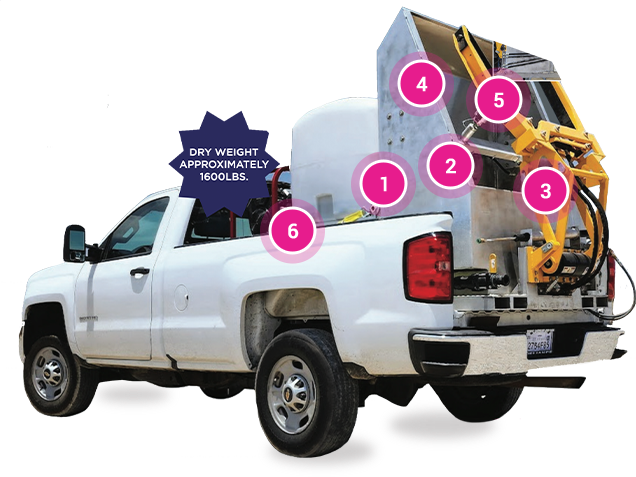
How Viking Upfit helps you plan the business
At Viking Upfit, we build more than equipment. We help customers think through the operation behind the equipment.
Depending on your business model, we can discuss:
- Truck-mounted systems
- Trailer systems
- Pickup-truck skids
- Water and wastewater capacity
- Recovery and solid-separation equipment
- Route size and expected service volume
- Vehicle payload and towing requirements
- Maintenance and replacement parts
- Training and operating procedures
- Customer scheduling and recurring service
- Business software and website options
- Financing and equipment packages
Our cleaning equipment options include trucks, trailers, skids, and other systems. For customers building a new operation, our turnkey startup packages may include equipment plus Jobatory access and a professionally designed website, depending on the current package terms.
We also provide a free consultation because the right system for a 500-customer residential route may not be the right system for a waste hauler, pressure-washing company, pest-control company, or commercial operator adding bin cleaning as a new revenue stream.
Bin cleaning wastewater checklist
Before you start your bin cleaning business, make sure you can answer these questions:
- What types of containers will you accept?
- What materials will you refuse?
- How will your equipment capture wastewater?
- Where will larger solids be separated?
- How will tanks and hoses be secured?
- Who is your authorized disposal facility?
- Does that facility accept commercial bin-cleaning washwater?
- Do you need written approval, pretreatment, or records?
- What will each disposal load cost?
- What is your backup disposal option?
- Who will train you on equipment operation and maintenance?
That’s it! Wastewater is part of the business: not a reason to avoid the business.
If you’re ready to explore equipment or want help building a practical disposal plan, book a free consultation with Viking Upfit. We’ll help you connect the equipment, operations, route planning, and compliance questions before you invest.
Disclaimer: This article is for general educational purposes only. It is not legal, environmental, engineering, permitting, or regulatory advice. Local authorities, sewer utilities, environmental agencies, and receiving facilities control what is allowed in your area. Confirm your requirements directly before discharging, transporting, or disposing of bin-cleaning wastewater. Nothing in this article should be read as automatic permission to discharge at a car wash, RV dump station, truck stop, septic-related receiving site, wastewater-treatment facility, sewer hookup, or any other location without direct approval.
Talk with Viking Upfit
Ready to learn more about starting a bin cleaning business? Reach out for help choosing a system and planning your next step!
- Website: VikingUpfit.com
- Phone: 210-971-4980
- Email: clean@thetrashcancleaners.com
- Facebook community: Bin Cleaners Network
- Customer feedback: see our Google reviews
- More customer feedback: see our Facebook reviews
Viking Upfit
14208 Interstate 37 S
Elmendorf, Texas 78112